
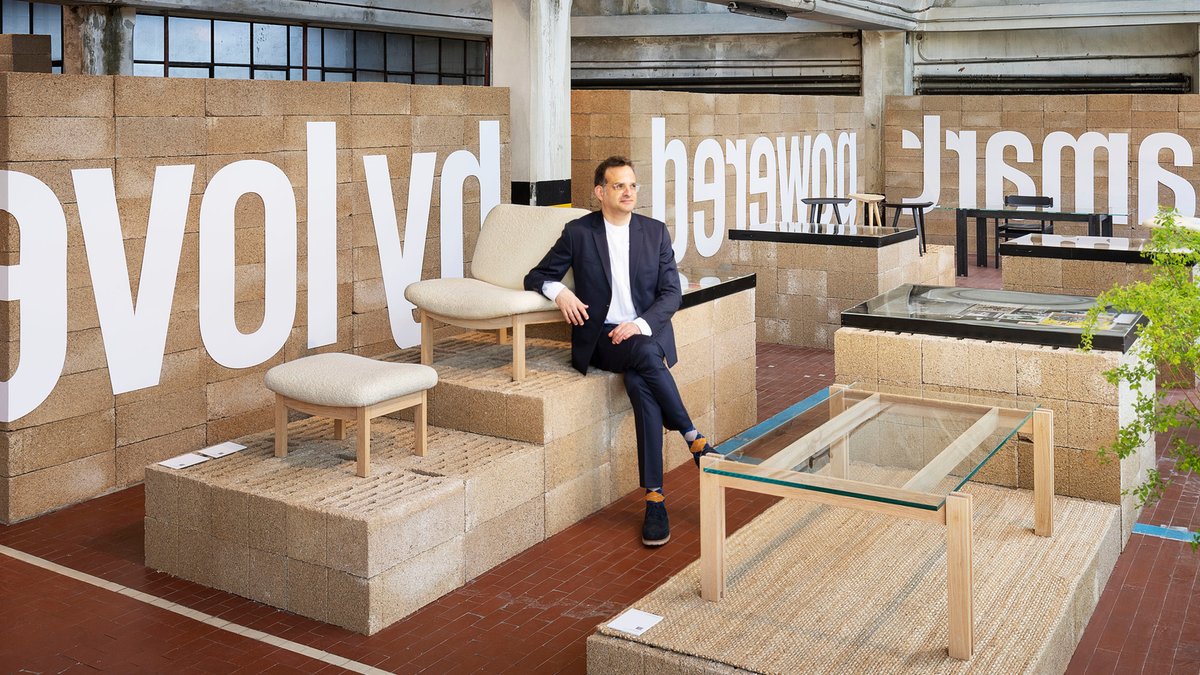
Tamart, the UK furniture brand launched at Milan Design Week, draws its identity from the modernist work of architects Tamar de Shalit and Arthur Goldreich, whose son Amos now serves as founder and creative director.
From a Hidden Archive to a Public Debut
Amos Goldreich discovered an extensive archive in his parents’ summer house after their deaths, containing more than 10,000 plans, photographs, documents and prototypes. The collection spanned architecture, design, art and textiles, reflecting a lifelong partnership forged at London’s Central School of Arts and Crafts. Cataloguing the material took months, but the effort sparked the decision to bring the designs to market.
Choosing Milan for the launch was influenced by a pandemic‑era dream in which he saw the collection presented at the city’s premier design event. The venue offered exposure to an international audience of designers, buyers and journalists. Attendees responded positively, often noting the emotional narrative behind the brand alongside its focus on craftsmanship and sustainability.
Related: Four Brilliant Light Designs Spotlight Creative Vision
Curating the First Collection
The debut line features ten mid‑century pieces selected for their representation of the Goldreichs’ design language. Among them, the Central Stool—originally sketched by Tamar while studying at Central—shows a half‑moon silhouette with three tapered legs, usable as both stool and occasional table.
Future releases will continue to draw from the archive, ensuring a mix of timeless appeal and contemporary relevance. He describes his role as part curator, part designer, collaborating with his parents’ original concepts to refine proportions, update upholstery and incorporate sustainable materials while preserving the essence of the earlier work.
While the archive offers a rich source of inspiration, it also raises practical challenges when translating drawings into finished furniture. The process often involves interpreting hand‑drawn details, testing prototypes and adjusting dimensions to meet modern standards. This careful approach ensures each piece remains faithful to its origin while fitting today’s living spaces.
Related: Caribou Inspired Design Takes Center Stage
From a broader perspective, the revival of historic design archives highlights a growing trend among contemporary manufacturers to anchor new collections in proven aesthetics. By leveraging existing intellectual property, brands can reduce research costs and appeal to consumers seeking authenticity. Preserving design documentation also supports future reinterpretation.
He emphasizes that maintaining an archive is “invaluable for designers,” allowing them to trace the evolution of ideas and sustain a brand’s ethos over time. The Goldreich archive, he notes, showcases enduring creativity and offers a resource that may inspire subsequent generations.


