
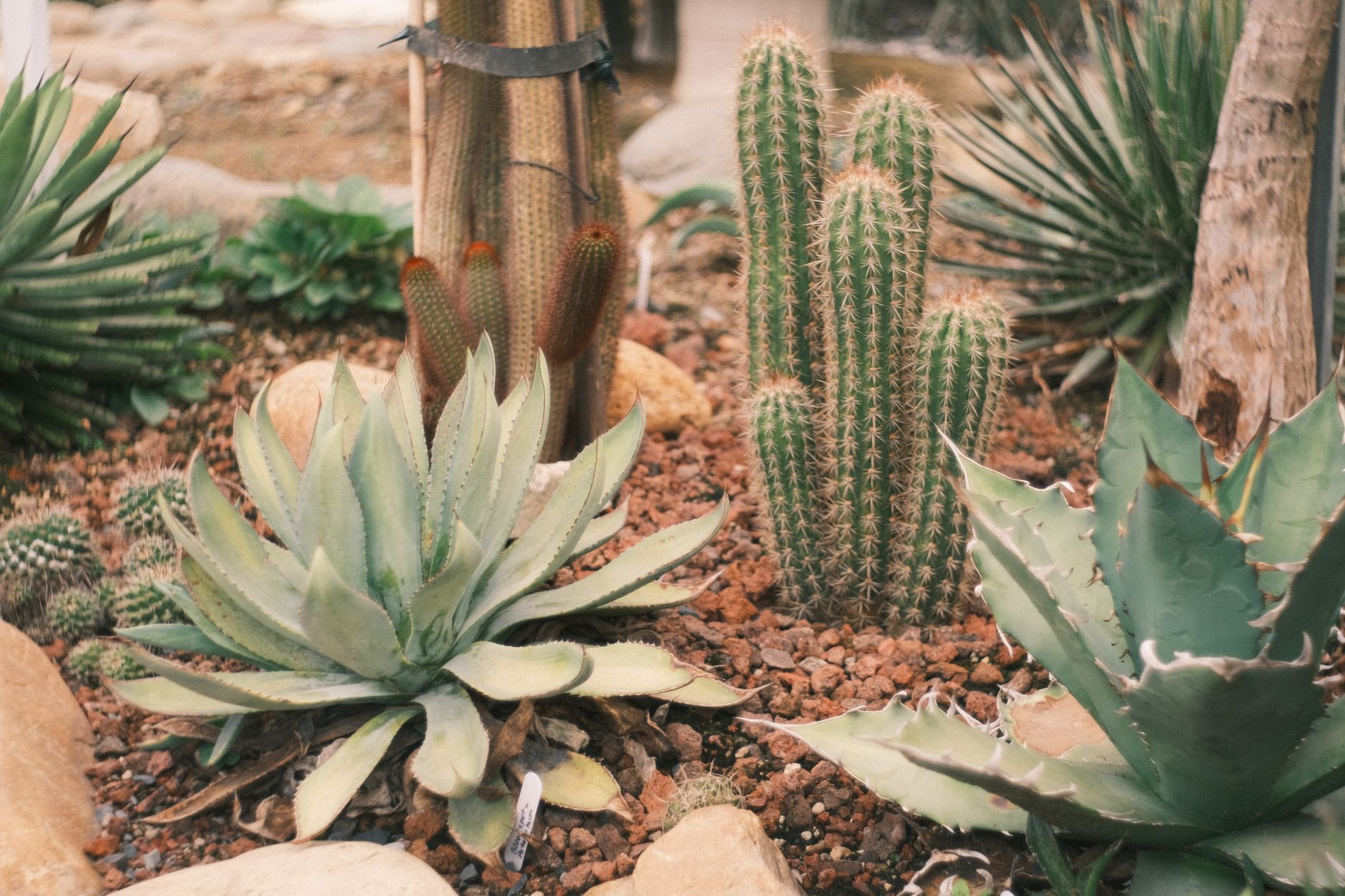
Xeriscaping not only reduces water consumption but also enhances biodiversity by creating habitats for native wildlife. By incorporating drought-resistant plants, homeowners can support local pollinators like bees and butterflies, which are critical to ecosystem health. This approach aligns with broader environmental goals, such as reducing the carbon footprint associated with traditional lawn maintenance, which often involves frequent mowing, chemical fertilizers, and irrigation systems that waste water.
Regional Plant Selection and Adaptation
For regions like Phoenix, the choice of plants such as Agave americana is strategic due to their ability to thrive in arid conditions with minimal water. These plants have evolved to store water in their tissues and reduce transpiration through waxy coatings or small, hairy leaves. In contrast, Houston’s climate allows for a broader range of plants, including Monarda (bee balm) and Salvia species, which can tolerate periodic droughts while maintaining lively blooms. Atlanta’s slightly more temperate conditions support plants like Black-eyed Susan and Perovskia (Russian sage), which require well-draining soil and occasional watering during dry spells.
Cost-Benefit Analysis of Materials
While the upfront cost of xeriscaping may seem steep, the long-term savings from reduced water bills and lower maintenance costs make it a financially viable option. For example, decorative gravel ground cover, priced at $1–$3 per square foot, not only eliminates irrigation needs but also requires minimal upkeep compared to traditional lawns. Natural stone paths, though more expensive at $7–$24 per square foot installed, offer durability and aesthetic value that can increase property resale value. The EPA estimates that proper mulch application can reduce evaporation by up to 70%, which, over time, offsets the initial investment in materials.
DIY vs. Professional Installation
While many aspects of xeriscaping are DIY-friendly, such as spreading gravel, planting native beds, or laying flagstone paths, certain tasks may require professional expertise. For instance, regrading a yard to improve drainage or installing a complex drip irrigation system with advanced sensors may be best handled by landscapers. However, phasing the project—starting with a front yard or a single bed—allows homeowners to learn the process incrementally while managing costs. This approach also enables adjustments based on seasonal performance, ensuring the final design meets both aesthetic and functional goals.
Related: Preserve Cherry Tomatoes Using These Methods and Recipes
Environmental and Community Impact
Communities that adopt xeriscaping on a larger scale can collectively reduce municipal water demand, easing pressure on local reservoirs and aquifers. Additionally, the use of native plants in landscaping reduces the need for imported soil and fertilizers, lowering the environmental impact of transportation and chemical runoff. Some municipalities offer additional incentives beyond rebates, such as public recognition programs for residents who achieve significant water savings through xeriscaping, further encouraging widespread adoption.
Long-Term Maintenance Strategies
Even after a xeriscape is established, ongoing care is essential to maintain its benefits. Regularly inspecting drip irrigation systems for clogs or leaks ensures that water is delivered efficiently, while topping up mulch layers prevents weed growth and moisture loss. For homeowners in regions with fluctuating weather patterns, such as the Southwest, it’s key to monitor soil moisture during extended droughts and adjust watering schedules accordingly. These practices not only preserve the health of the plants but also maximize the long-term water savings achieved through xeriscaping.
Conclusion
Xeriscaping represents a sustainable, cost-effective approach to landscaping that aligns with both environmental and economic goals. By carefully selecting plants, utilizing water-efficient materials, and adopting smart maintenance practices, homeowners can create resilient outdoor spaces that thrive with minimal resource input. As awareness of water scarcity and climate change grows, xeriscaping is increasingly becoming a model for responsible land use that benefits individuals, communities, and the planet.


