
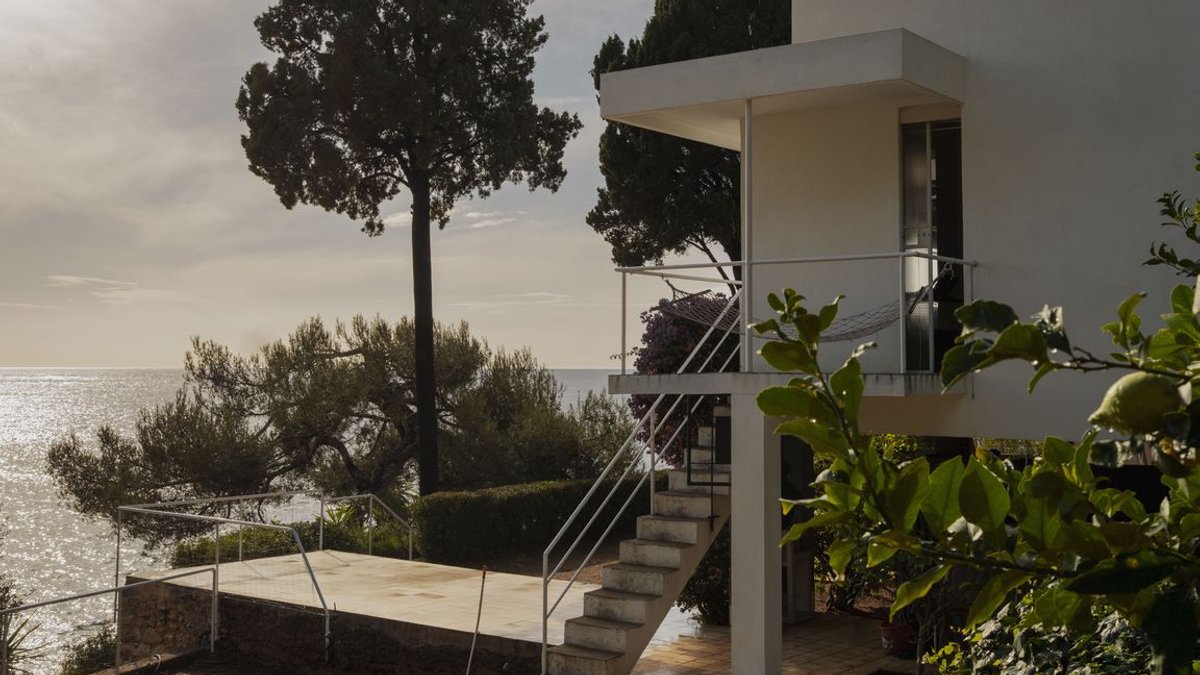
The small white structure known as E-1027 sits on a rugged stretch of the French coastline, its history defined by both architectural innovation and violent neglect. Completed in 1929, the house represents the first full-scale building designed by Irish architect Eileen Gray. Over the decades, the residence has endured occupation by soldiers, a murder, and severe environmental decay, yet its most debated chapter involves the unsolicited intervention of Le Corbusier.
Before designing this residence, Gray gained recognition for her work with lacquer, carpets, and lighting. The house features a flat roof, pilotis, and modular fixtures that allow for flexible use of interior space. While it shares visual characteristics with the International Modernist movement, observers often categorize the home within a broader history of interwar work by women who sought to establish new modes of non-heteronormative expression.
Related: Why the pen still matters in a digital world
The building was created in collaboration with Jean Badovici, yet it reflects a distinct aesthetic that prioritized fluid, ungoverned spaces. Unlike the rigid, machine-like designs favored by some peers of the era, the house focuses on tactile comfort and sensory experience. Elements such as the Satellite mirror and an adjustable tubular table demonstrate a commitment to functionality designed for personal repose rather than strict, industrial efficiency.
The friction between Gray and her contemporaries reveals the deep-seated tensions of the period. By rejecting the era’s standard definitions of domesticity, she created a physical environment that functioned as a deliberate challenge to traditional gendered spaces. This legacy continues to shape how historians analyze the intersection of private identity and architectural form, moving beyond simple stylistic debates to examine the political implications of residential design.
In the 1930s, Le Corbusier painted eight murals across the interior walls of the house. Although these works are often compared to the styles of Picasso and Miró, many critics view their application as a form of desecration. The contrast between Gray’s sensual, layered interiors and the austere purism of her visitor remains a point of contention.
Related: Neo Italianate Kitchen Remodel Inspired by Barragán
The history of the building remains a focal point for those studying how architectural spaces can reflect and facilitate the lives of those who inhabit them, especially when those individuals exist outside the dominant cultural norms of their time.
Visitors can explore the grounds where Gray once sought to cultivate a new kind of domestic refuge. The house stands as a fragile, enduring record of an artist who fundamentally changed the language of modern architecture.


