
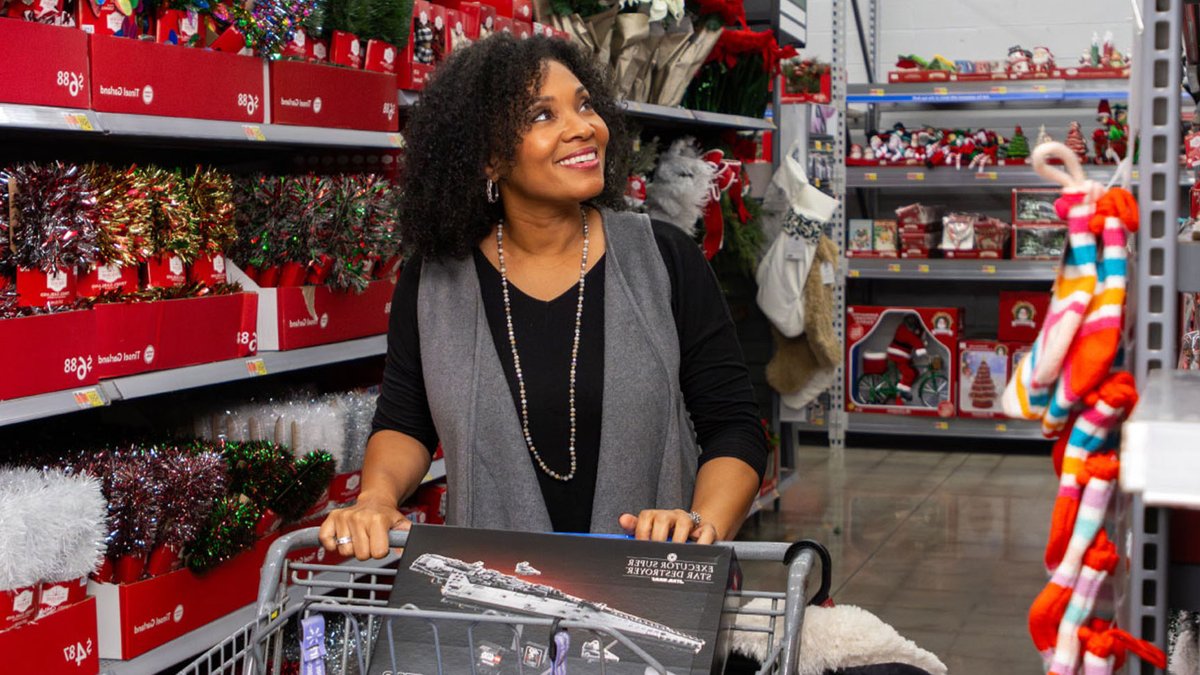
The 2026 holiday shopping season will reflect a more cautious approach to spending, shaped by economic conditions and evolving consumer priorities. A survey reveals that shoppers are beginning their preparations earlier, though their timing varies significantly across age groups. While 65.7% of all respondents intend to start holiday purchases before Thanksgiving, younger shoppers under 30 are delaying more than older demographics. Only half of this group plans to begin before the holiday, compared to 71% of those aged 30 to 44 and 69% of those aged 45 to 60.
Black Friday’s role as the primary launch event for holiday spending is diminishing. The survey indicates that 39.8% of shoppers will initiate their purchases by late October, with older consumers leading this trend. This pattern signals a broader change: rather than concentrating purchases around traditional sales events, consumers are spreading their buying across multiple channels, product categories, and timeframes.
Big-box retailers and online marketplaces continue to dominate holiday shopping preferences, with 67% and 63% of consumers favoring them, respectively. Their advantages include clear pricing, convenience, and flexible fulfillment options. These platforms also drive both purchases and gift discovery, with big-box stores leading in expected purchases at 67% and discovery at 53.4%. Online marketplaces follow closely, capturing 63% for purchases and 51.1% for discovery. Social commerce remains less popular, as only 10% of shoppers plan to buy through these platforms, though it performs slightly better for discovery at 16%.
Spending plans differ notably by income and age. While 38.5% of consumers expect to spend more during the 2026 holiday season than in 2025, 38.2% anticipate maintaining the same level of spending, and 23.3% predict cutting back. Higher-income households are more likely to increase spending, with 47% reporting plans to do so, compared to just 24% in lower-income households. Financial concerns also vary: low-income shoppers primarily worry about wages, with 54.4% citing this as their main issue, whereas high-income consumers are more concerned about inflation at 60% and personal financial strain at 31.8%.
Price sensitivity remains a key factor in purchasing decisions. Among consumers, 35% prioritize the lowest possible costs, while 27% aim to stay within budget without compromising essential items. Only 9% describe their approach as one of indulgence. This restraint extends to product categories, with apparel being the sole exception where more shoppers (52%) plan to spend more than those who will spend less (34%). In all other categories, the trend is reversed, with fewer consumers intending to increase their spending.
Digital shopping is growing, though its adoption is uneven. Over half of consumers (62.4%) expect to make at least half of their holiday purchases online, with 26% planning to conduct three-quarters of their shopping through e-commerce. Smartphones are the preferred device, used by 80.7% of shoppers, followed by laptops (48%), tablets (30%), and desktops (24%). Artificial intelligence has a limited direct influence on purchase decisions, with only 2.3% ranking AI recommendations as a top factor. However, half of all consumers have used AI for shopping-related tasks, primarily for product research (43%), price comparisons (39%), idea generation (35%), and finding deals (33%).


