
Kansas City’s housing market reveals that a home’s design can sway buyer interest as much as its price or location. Split-level and ranch homes present contrasting lifestyles, and their desirability hinges on family size, mobility requirements, and personal preferences. Sellers who grasp how these layouts influence perception can adjust pricing, marketing approaches, and negotiations accordingly.
Floor Plans Determine First Impressions
Within minutes of entering a home, buyers form opinions based on room flow, stair placement, privacy, and ease of movement—factors that often outweigh the home’s overall style. A split-level design, for instance, may attract families needing separate living areas, while a ranch layout could appeal to those prioritizing accessibility. These practical details frequently decide whether a home feels functional or impractical during a viewing.
Some sellers opt for alternative selling methods before listing. Programs like Best Offer KC provide flexibility depending on a property’s condition or the seller’s timeline, though layout preferences still factor into buyer choices.
Split-Level Designs Offer Privacy and Zoning
Split-level homes distribute living spaces across multiple levels connected by short staircases, a design that gained traction for creating distinct zones, such as relaxation areas, entertainment spaces, and private bedrooms, without the formality of a traditional multi-story house. Buyers frequently cite the extra privacy these homes provide, making them ideal for families with children or households that host often.
The separation between living areas also suits buyers requiring dedicated workspaces or hobby areas. However, the multiple staircases can deter younger families, older adults, or those seeking easier accessibility. Sellers should emphasize the layout’s adaptability while addressing potential drawbacks.
Ranch Homes Prioritize Accessibility and Simplicity
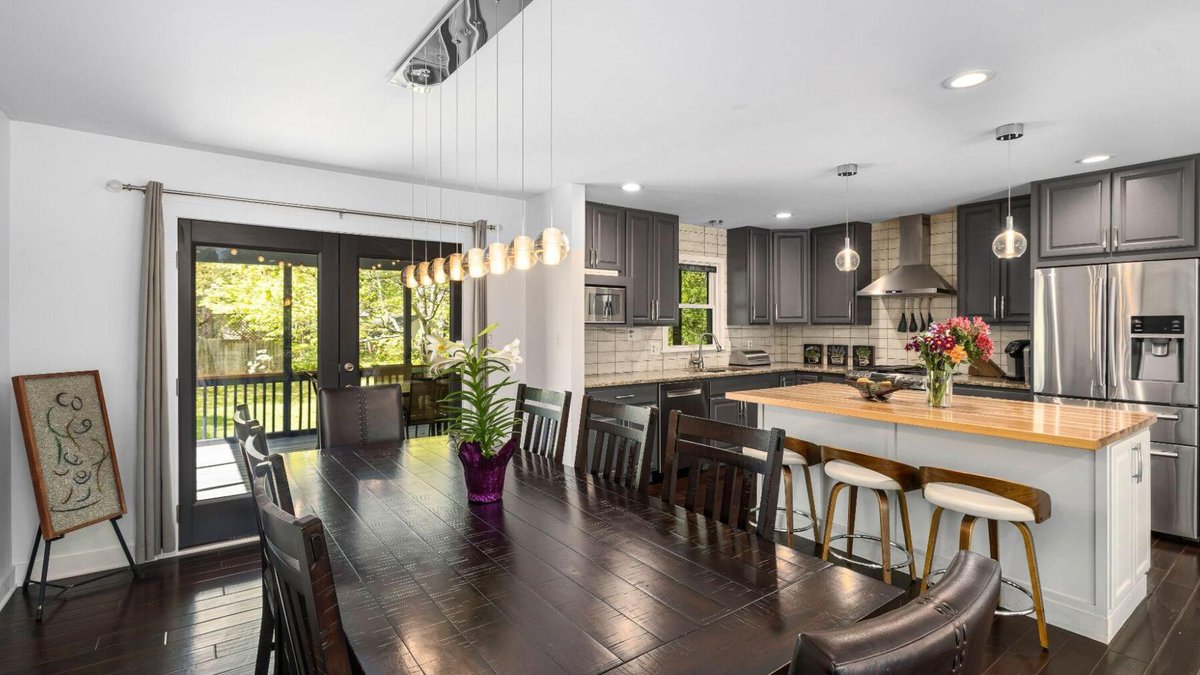
Ranch-style homes remain highly sought after because all living areas are on one level, eliminating daily movement challenges. This layout is especially appealing to buyers planning to age in place, as it removes stairs, a key concern for long-term residents. Families value the open design, with bedrooms, bathrooms, and living spaces all easily reachable from a central area.
While ranch homes offer less separation between spaces, many buyers prioritize convenience over privacy. The absence of stairs also makes them a preferred choice for those with mobility limitations or young children. The trade-off involves fewer distinct living zones compared to split-level designs.
Key Factors in Offer Decisions
Floor plans influence buyer confidence but rarely dictate offer amounts. Pricing, condition, updates, and neighborhood demand hold more weight than architectural style alone. Buyers typically compare multiple properties before deciding, and features like updated kitchens, modern bathrooms, and energy-efficient systems often surpass the impact of floor design.
Outdoor spaces further enhance value. A well-kept yard, patio, or deck can strengthen interest in either split-level or ranch homes. Parking availability, storage options, and natural light remain critical, as buyers assess long-term livability.
Strategies for Highlighting Each Layout
Split-level homes should showcase their flexible living areas, private bedroom zones, and finished lower levels. Ranch homes benefit from emphasizing convenience, open gathering spaces, and seamless indoor movement. Simple furniture arrangements help buyers envision the spacious feel.
Professional cleaning, organized storage, and strong curb appeal improve first impressions for both styles. Buyers evaluate overall maintenance before considering architectural details, so a well-presented home, regardless of layout, stands out in Kansas City’s competitive housing market.
Sellers should focus on their property’s strongest attributes rather than debating which layout is more popular. Buyers prioritize functionality over style, and a home’s condition, pricing, and presentation matter more than its floor plan. By understanding local buyer priorities, sellers can position their property to attract stronger offers.


