
Scandinavian design continues to dominate UK interior searches, with more than 100,000 monthly queries on the subject. This enduring popularity was a key focus of a recent ELLE Decoration forum hosted by Editor-in-Chief Ben Spriggs at the John Lewis Oxford Street store, where industry experts gathered to discuss how the style is evolving in British homes. While its foundational ideas remain intact, British adaptations have shifted away from strict minimalism toward a warmer, more layered interpretation.
During the event, participants noted that the old concept of rigid, monochrome minimalism, the idea of the ‘white wall’, is outdated. Instead, there’s a shift towards warm minimalism that takes the Scandinavian preoccupation with light, craftsmanship and living well, and layers on top more textures, materials and a palette that feels less bare—think sky-blue crockery, like John Lewis’s ‘Lule’ collection or mixed materials, such as the wooden ‘Scoop’ coffee table with its ceramic top.
This direction reflects a growing preference for lasting, meaningful furniture over fleeting decor fads, as highlighted by John Lewis’s continued popularity of Scandinavian-inspired collections, which remain their most visited curation hub. The shift toward warm minimalism preserves the style’s core principles of light, craftsmanship, and intentional living while adding richness through mixed textures and a more expansive color palette.
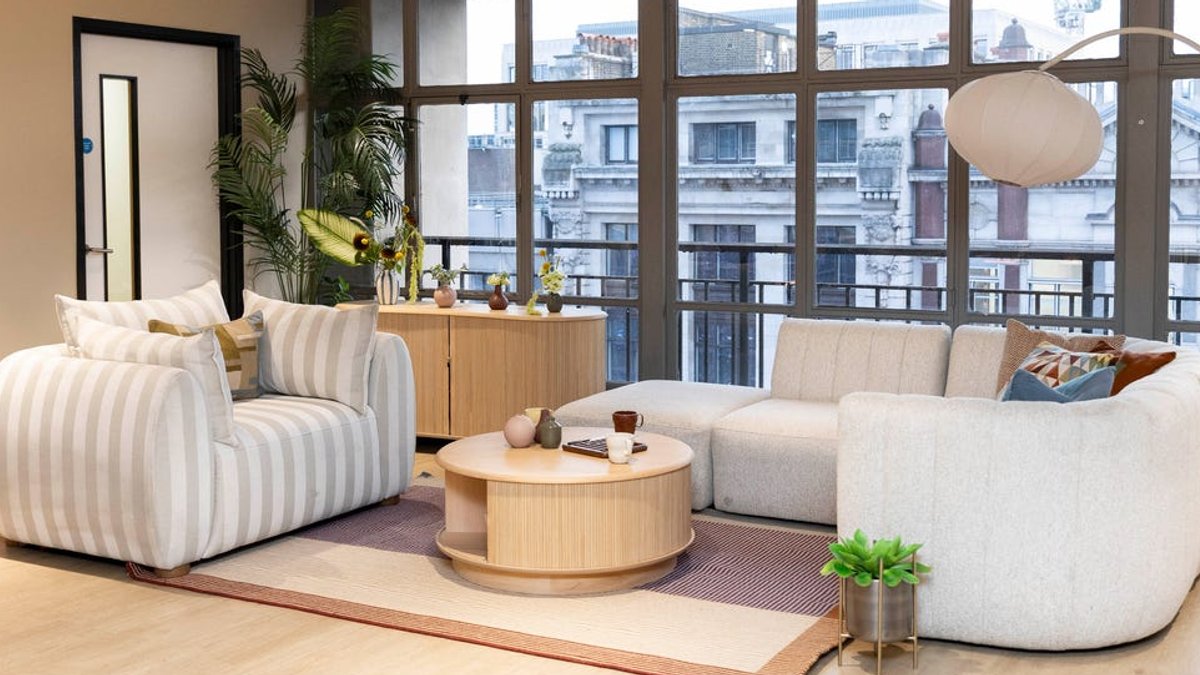
Scandinavian influences have also extended into fashion, particularly through brands like Ganni and Acne Studios. Their rounded shapes and vivid tones, including butter yellow, cobalt, and ochre, are now appearing in home furnishings. Designers are introducing balloon-shaped upholstery, such as the striped Elara snuggler seat, irregular ceramic forms, and tufted fabrics to replace the previous emphasis on stark neutrality. These elements reflect a broader cultural shift toward joyful, organic forms that contrast with the earlier emphasis on geometric precision.
UK properties pose distinct obstacles for Scandinavian interiors, given their Victorian-era floor plans, lower ceilings, and limited natural light. Yet the style persists by integrating clean lines with period features and optimizing lighting. Specialists advise against bright overhead fixtures, instead advocating for multiple, low-level light sources to create gentler atmospheres. Placing seating beneath window sills prevents light obstruction, while geometric rugs or statement pendants, such as the Pumpkin pendant or Odin rug, ground the design without overpowering small spaces. The experts emphasized that Scandinavian design is all about investing in pieces that will age gracefully, so you’ll never regret the decision.


