
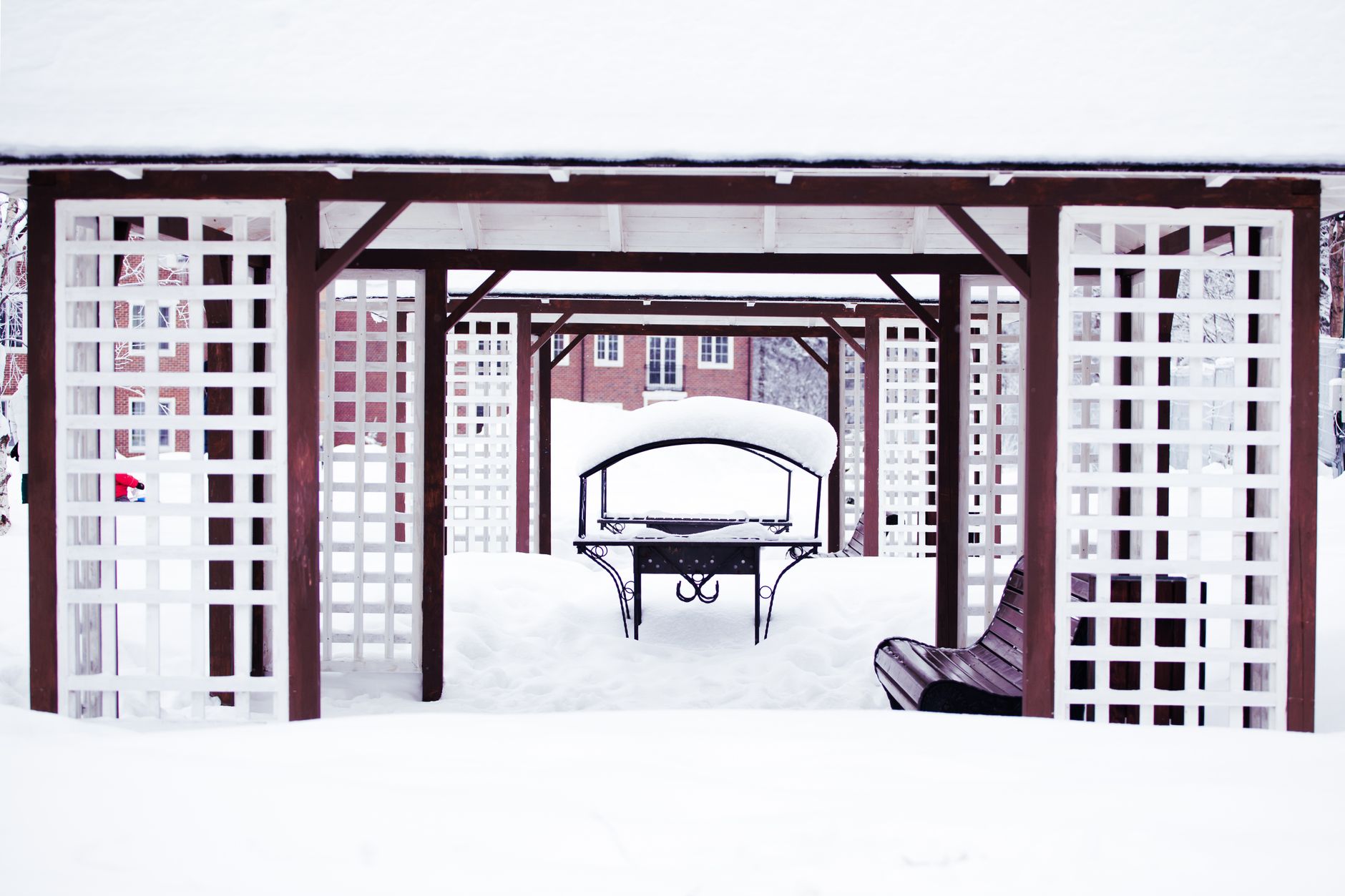
Managing a property in this region often requires a dual focus: creating an outdoor space that thrives during the warmer months and ensuring safe, accessible grounds when the winter season arrives. Residents and business owners who approach their property maintenance with a consistent strategy often find that they spend less time dealing with urgent repairs and more time enjoying their surroundings. Balancing the aesthetic goals of landscaping with the practical necessities of winter weather management is a common challenge, but it is one that can be navigated with thoughtful planning.
The Challenges of Maintaining Outdoor Spaces in the Northern Plains
Properties in this climate are subject to significant environmental swings. During the growing season, a well-planned landscape must manage moisture and handle the wind, while the winter months bring freezing temperatures and heavy accumulation that can stress both vegetation and structural surfaces. One of the most common mistakes is failing to account for how a landscape design will function once the foliage has faded and the ground has frozen.
Many people focus exclusively on the visual appeal of a garden or lawn, overlooking the importance of structural placement. For instance, placing fragile plantings in high-wind zones or installing walkways that are difficult to clear of ice can create maintenance burdens that persist for years. Understanding how the local climate interacts with your specific site is the foundation of a successful approach to property care.
How Comprehensive Landscape Design Generally Works
A professional approach to landscape design in Fargo begins by assessing the site’s unique characteristics. This involves more than simply choosing plants; it requires evaluating the topography, the drainage patterns, and the way light moves across the property. When the design process is handled well, it creates a functional environment that is easier to maintain over the long term.
Designers typically consider several layers during this phase. They look at hardscaping, such as paths and retaining walls, ensuring they are built to withstand freeze-thaw cycles without shifting. They also select plant varieties that are suited to the local environment, favoring species that provide seasonal interest while requiring minimal intervention. A well-integrated design also incorporates space for the practical necessities of life in the region, such as clear areas for managing snow accumulation or dedicated zones for seasonal equipment.
Key Factors That Shape Your Property’s Durability
The success of a landscape is often determined by the choices made long before the first shovel hits the dirt. One critical factor is soil health. Improving the structure and nutrient profile of the soil before planting helps vegetation establish strong root systems, which makes them more resilient against summer heat and winter cold.
Another essential consideration is drainage. Water management is a major factor in this region; if water pools near a home’s foundation or on paved surfaces, it can lead to ice buildup that damages materials and creates hazards. Effective design redirects water away from high-traffic areas, reducing the amount of manual work required later in the year. Finally, the selection of materials for hardscaping plays a major role. Choosing durable, climate-appropriate surfaces ensures that your investment remains stable even when the environment becomes harsh.
Practical Ways to Approach Winter Safety and Access
When the season shifts, the focus turns to maintaining accessibility and safety. The need for snow removal in Horace is a predictable part of life in the area, but the methods used to manage that need can vary significantly. An efficient approach to winter maintenance is typically proactive rather than reactive.
Instead of waiting for a significant event to overwhelm a property, it is often more effective to have a clear plan in place. This includes:
- Mapping out clear zones: Before the first snowfall, identify where snow should be moved and where it should be avoided. Piling snow against building foundations or over delicate landscape features can cause damage.
- Choosing the right tools: Whether using professional service providers or managing the work yourself, ensure that the equipment is appropriate for the scale of the property. Using heavy equipment in tight spaces can lead to damage to pavers or curbs.
- Prioritizing high-traffic areas: Establish a clear hierarchy for clearing surfaces, starting with primary access points for safety, followed by secondary walkways and driveways.
- Addressing ice proactively: Managing ice is often about prevention. Applying proper traction materials early can prevent the need for more aggressive de-icing efforts later, which can be harmful to nearby plantings.
Coordinating Year-Round Care
The most efficient way to manage a property is to view it as a cohesive system rather than a series of disconnected tasks. By working with professionals who understand both the principles of landscape design in Fargo and the logistical requirements of snow removal in Horace, property owners can ensure that their site remains functional, safe, and attractive throughout the changing seasons.
When you speak with a provider, consider asking about their long-term maintenance recommendations. Ask how they suggest preparing the grounds before the winter arrives to protect your investment. A good partner in property management will be able to explain the “why” behind their recommendations, helping you understand how to protect your soil, your structures, and your plants.
Establishing a consistent relationship with those who understand your property’s specific needs is a sensible step toward long-term ease. Whether you are looking to revitalize your garden or simply need a more reliable plan for the winter months, focusing on foundational health and proactive planning provides the best path forward. By addressing these needs thoughtfully, you create a space that remains a reliable asset regardless of the season.


