
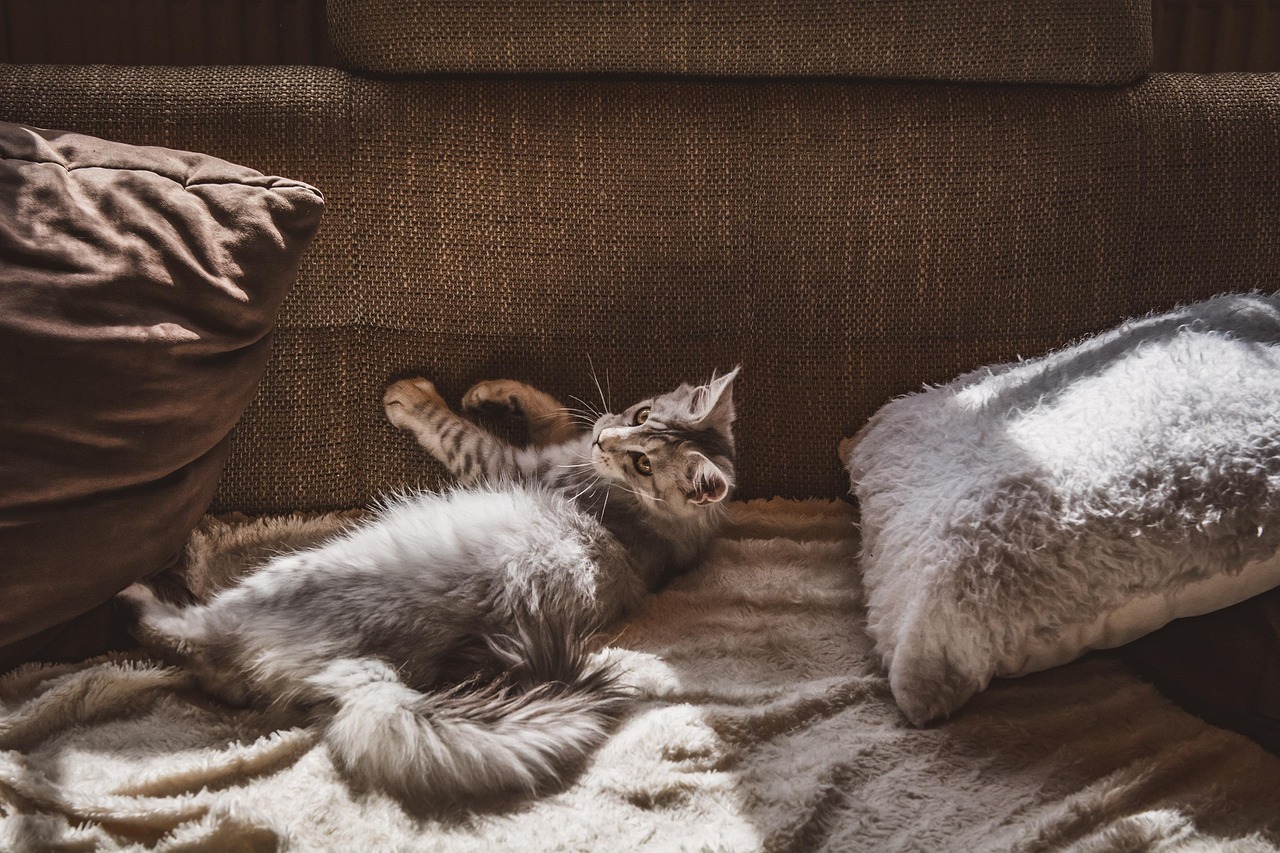
Warm, grounding color is the interior story of the summer, and a Fourth of July weekend is exactly the window to act on it. The challenge isn’t finding inspiration — it’s knowing which shade is worth committing to, where to put it, and which paint code to hand the clerk at the counter.
In a nutshell, Chocolate brown (BM Silhouette AF-655) is the boldest statement — best for an accent wall or a color-drenched room. Taupe/khaki (SW Universal Khaki SW 6150) is the safest, most versatile whole-house bet. Rust is gorgeous but risky: its low light reflectance can go muddy in a small, dim space — keep it to an accent. Test 3–5 samples in your own light for at least three days before you buy a gallon.
The shift is measurable, not just a mood. In the 2026 U.S. Houzz Emerging Summer Trends Report, searches for “rust colors” jumped 178% year over year and “chocolate brown” climbed 153% — the steepest movers in the warm, saturated category. Softer neutrals rose alongside them: mushroom up 69%, sage up 55%, taupe up 50% and cream up 44%. Even the floors are warming up, with terracotta flooring searches up 55%.
Here’s the part that turns a search trend into a real direction. Every major US paint brand crowned an earthy hue as its 2026 Color of the Year. According to the American Coatings Association, manufacturers deliberately converged on earth-inspired, emotionally comforting colors this year — a reaction to digital fatigue and a craving for rootedness at home. When the whole industry agrees, the paint chips at the store agree too.
A Benjamin Moore color spokesperson framed the palette as fresh, easy-to-live-with color paired with a grounded sense of earthiness — traditional spring tones with added depth. That’s the throughline across all seven shades below. If you’ve watched this build, it’s no accident: warm tones have been creeping up for a couple of seasons, and you can trace the arc through earlier interior color trends and the interior paint colors that set the stage.
Not every earth tone behaves the same way on a wall.
Rust — the showstopper with a catch
Rust is a saturated, low-LRV shade (Sherwin-Williams Rookwood Terra Cotta SW 2803 sits around 14). That number matters: it absorbs far more light than it reflects, so the color reads deep and enveloping. The orange-brown undertone keeps it from feeling aggressive like a true red while still delivering serious warmth. On a sunlit south wall it glows. In a dim corner it goes muddy.
Expect a one-weekend transformation, with the full enveloping effect arriving after two coats over a tinted primer on light walls. The failures are predictable: too dark for small, poorly lit rooms, and capable of overwhelming a whole space. Reserve it for an accent wall, a fireplace surround or cabinetry, and keep warm-undertone neutrals nearby so it doesn’t feel heavy.
Chocolate brown — the boldest statement of the year
Deep espresso-charcoal brown is the most enveloping member of the palette, and the one the industry rallied around. It changes character by orientation: cooler and more mysterious in north light, richer and warmer in south light. Used for color-drenching — walls, trim and doors all one shade — it builds a tailored, cocoon-like room.
Related: 6 Interior Design Trends We Will See in 2021
The payoff is dramatic in a weekend, though a full color-drench takes longer and rewards the patience. Watch the limits: it can feel too dark for an entire bedroom unless your lighting is generous, it shows brush marks and sheen differences on smooth walls, and it needs warm metals (brass, antique gold) nearby or it falls flat.
Terracotta — the forgiving clay
Terracotta sits between rust and a soft clay — warmer and more orange than chocolate, more grounded than a bright coral. It nods to Southwest and Mediterranean design and pairs naturally with leather, wood grain and greenery. Because mid-clay versions carry a bit more light than rust, it’s a touch more forgiving. SW Cavern Clay SW 7701 is the reference.
Its risk is era, not light: paired with the wrong oranges and golds, it can read dated 1970s, and its strong undertone can clash with cool-toned fixtures or flooring.
Mushroom — the easy way in
Mushroom is a soft, warm taupe-brown that behaves almost like a neutral — the low-commitment entry to this palette. It works across most rooms and lighting, reading cozy rather than bold. Its complexity (it drifts subtly between gray, brown and mauve) keeps it from going flat. That same subtlety is its only real downside: under certain bulbs it can lean pink or gray, and it can underwhelm anyone who wanted a statement.
Taupe / khaki — the workhorse
Taupe is the mid-tone neutral that carries a whole house: warm enough to feel current, restrained enough to never argue with anything. Sherwin-Williams named Universal Khaki SW 6150 — a warm, grounded neutral between beige and taupe with a subtle green undertone — its joint 2026 Color of the Year (alongside sister brand HGTV Home). That green undertone is the trick: it bridges beige and gray, so it pairs with both wood tones and cooler accents without fighting them.
The only catch is that its mid-tone depth can read flat in low light, and the green undertone can surprise you if you expected pure beige. Test it.
Sage — the calming green
Sage is a desaturated, earthy green that has graduated from accent to near-neutral. It reads botanical and calming, supports the biophilic mood, and looks beautiful against warm woods and creamy whites — Valspar Warm Eucalyptus 8004-28F anchors it firmly in the earth-tone family. It shines on cabinetry. Its undertone is the variable: under cool bulbs it can go cold or minty, and some sages skew gray and lose the warmth you wanted.
Sand / cream — the connective tissue
Sand and cream are the lightest, airiest members — high-LRV warm off-whites that bounce light and open a room while still feeling grounded, not stark. They’re the rest color that lets the bolder earth tones breathe. Beginner-friendly and the fastest visual fresh-up you can buy. The two warnings: they can read peachy in golden afternoon light, and they’re simply too safe for anyone chasing the rust-and-chocolate drama.
The ranked verdict
If you want one statement that says 2026, it’s chocolate brown (BM Silhouette AF-655) — it tops the brand Colors of the Year and delivers the boldest, most tailored wow on an accent wall or a color-drenched room. The safest whole-house bet is taupe/khaki (SW Universal Khaki SW 6150): warm yet restrained enough to run through an entire home. The riskiest for an average room is rust — stunning in good light, but its low LRV can turn a small, dim space into a cave. Keep it to an accent wall, fireplace or cabinetry, never four walls of a dark room.
Related: DSCR Loans: Financing Investment Properties Without Personal Income
Room-by-room pairing formulas — what actually goes with what
Pairing is where most refreshes succeed or stall. A few formulas hold up almost anywhere. In a living room, pair a rust accent wall with warm whites, a sage cushion or two, leather and natural wood — sand or cream as the rest color gives the rust room to breathe. For a dining room or den going chocolate, lean into brass or antique gold hardware to pull the warm undertone forward, and bring in cream upholstery to keep it from reading heavy.
A bedroom is the natural home for mushroom and taupe: soft greige walls, warm white bedding, a wood headboard and a folded sage throw read calm rather than bold. They pair beautifully with the ideas for a calmer 2026 bedroom. In the kitchen, sage lowers with warm-white uppers, brass hardware and a terracotta-toned floor is the formula doing the most work right now.
Use sand or cream as the “rest” color so a bold rust or chocolate has room to breathe. Pair chocolate and rust with brass or antique gold hardware to pull out their warm undertones. Hold any single room to about three earth tones — one dominant, one secondary, one accent. Reserve the deepest shades for an accent wall, fireplace or cabinetry, not a whole small room.
The exact paint codes — Benjamin Moore, Sherwin-Williams and Behr
Carry these to the counter. Benjamin Moore and Sherwin-Williams have their own stores; Behr and Glidden/PPG are sold at Home Depot; Valspar lives at Lowe’s. For the bolder shades, Glidden’s 2026 pick — Warm Mahogany PPG1060-7, a rich red-brown — is worth a look at Home Depot if espresso reads too dark for you. The full lineup is laid out in every major paint brand’s 2026 Color of the Year, and it leans warm and earthy across the board.
One firm rule: don’t cross-match. A Behr swipe of a Sherwin-Williams or Benjamin Moore color is unreliable, and sheens aren’t standardized across brands. Buy the specified brand in the specified line, and you’ll get the color you tested.
How to test a warm tone before you commit — and the mistake that ruins it
The single most common mistake is choosing the color in the store under fluorescent lighting instead of your own home’s light. Undertones in rust and chocolate shift dramatically between a bright morning and a golden evening — a chip or a screen can’t tell you the truth.
Do it properly. Order three to five peel-and-stick samples per room (Samplize runs about $5.95 each; Sherwin-Williams sample stickers are roughly $1.49; brand sample pots about $5–9). Stick them on the wall with the most natural light, plus one dark corner. If you prefer brushing, the right way to test a paint color before you commit is two coats on white foam-core board so you can carry the swatch around the room — and remember that liquid samples are for color only, lacking the performance components of finished paint, so they can shift or fade sooner than expected.
Live with the samples at least three days, checking morning, midday, late afternoon and after dark with your actual bulbs. Keep the patch large — anything smaller than a 1×1-foot square won’t reveal the true undertone — and don’t sample more than about five colors per room, or the decision paralyzes you. A professional color consultant’s standard advice is the same: three days in your own light beats any chip.
Renters, one note before you start: warm earth tones suit accent walls beautifully, but check your lease — and budget for extra coats, because darker shades take real effort to cover when you return the wall to white. If you’d rather go cooler or brighter, the season also offers cooler trend colors like capri blue and cherry red.
Related: The Hidden Inequality: How Singapore’s Waterproofing Crisis Reveals Deeper Social Divides
Are warm earth tones going to date quickly, or are they timeless?
Earth tones are among the more durable trends because they draw on natural materials — clay, wood, stone, foliage — that never really leave a home. The boldest applications, like a fully color-drenched chocolate room, carry more risk over time than a soft mushroom or taupe. Lean neutral if longevity matters; commit to the deep shades on an accent wall you can repaint.
What’s the single most versatile earth tone for a whole house?
Taupe or warm khaki, such as Sherwin-Williams Universal Khaki SW 6150. It’s warm enough to feel current and restrained enough to flow from room to room without clashing. Its subtle green undertone lets it sit comfortably beside both wood tones and cooler accents, which is exactly why it can carry an entire home where bolder shades cannot.
Can I use a dark shade like chocolate brown in a small or low-light room?
You can, but go in with eyes open. Deep, low-LRV shades absorb light, so a small or dim room reads even smaller and moodier. If you love the look, adopt it as a deliberate cocoon — add generous lighting, brass accents and cream textiles. Otherwise, keep chocolate to one accent wall and let lighter neutrals open the rest.
How many earth tones should I combine in one room?
About three is the sweet spot: one dominant shade, one secondary, and one accent. More than that and the room loses its calm, which is the whole point of this palette. A common formula is a neutral base (sand, mushroom or taupe), a wood tone, and a single deeper accent like rust or sage.
Do I have to buy the exact brand, or can I get a color matched at a different store?
Buy the specified brand. Cross-matching a Sherwin-Williams or Benjamin Moore color to a cheaper line is unreliable, and sheens aren’t standardized across brands, so the finish can look off even when the color is close. The codes here point you straight to the right can at the right store.
How long should I live with a paint sample before committing?
At least three days. Check the swatch in morning, midday, late afternoon and after dark with your real bulbs, because warm undertones shift dramatically between natural and artificial light. Keep the test patch at least a foot square, and limit yourself to about five samples per room so the decision stays manageable.
Which earth tone works best for a north-facing room?
North light is cool and even, which can mute warm shades and make a chocolate or rust read flatter and darker than expected. Warmer, lighter tones fare best here — terracotta, a warm taupe, or a creamy sand will hold their warmth where a cool-leaning sage might go gray. Always test in that specific room before committing.
Worth knowing: order one extra sample of your favorite in a flat or matte finish — it hides wall imperfections that a satin sheen tends to spotlight under raking summer light. Tried one of these shades in your own space? Tell us how it landed in the comments.


